

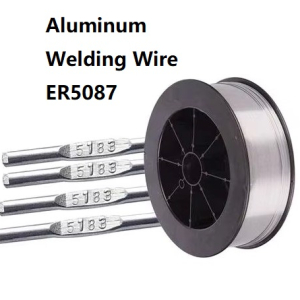
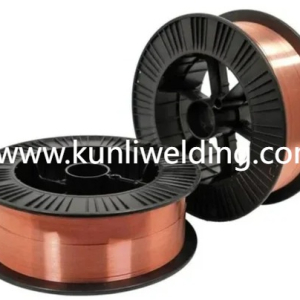

Marine vessel construction presents unique welding challenges through combination of structural demands, corrosive service environments, and regulatory requirements governing material selection and fabrication procedures. Aluminum increasingly replaces steel in modern shipbuilding for its favorable strength-to-weight ratio, corrosion resistance, and fuel efficiency benefits. Selecting appropriate filler materials for these demanding applications requires understanding how material properties align with marine service conditions and classification society requirements. When specifying Aluminum Welding Wire ER5087 for shipbuilding projects, engineers and fabricators must evaluate multiple factors ensuring chosen materials support structural integrity throughout vessel service life while meeting regulatory approval standards.
Base metal compatibility represents the foundation of filler material selection in marine aluminum fabrication. Shipbuilders utilize various aluminum alloy families across different vessel components, with structural extrusions, plate materials, and castings each serving specific design functions. This magnesium-bearing filler works effectively with common marine aluminum alloys, providing metallurgical compatibility producing sound joints resistant to cracking and corrosion. Verifying compatibility between specific base metal specifications and filler chemistry prevents metallurgical mismatches that could compromise weld integrity despite proper welding procedures and operator technique.
Corrosion resistance requirements in saltwater environments drive material selection toward alloys demonstrating sustained performance under aggressive marine exposure. Hull structures, superstructures, and deck components face constant or intermittent saltwater contact creating electrochemical conditions promoting corrosion. The magnesium content in this filler alloy enhances resistance to pitting and general corrosion encountered in marine service, extending structural life and reducing maintenance requirements throughout vessel operational cycles. Classification societies often reference specific filler alloys approved for hull and critical structural applications based on documented marine service performance.
Mechanical property requirements vary across vessel structural components depending on loading conditions and safety factors mandated by design codes and classification rules. Hull plating experiences hydrostatic pressures, impact loads, and cyclic stresses from wave action demanding weld joints maintaining adequate strength and ductility. Superstructure components may face different loading profiles with varying stress levels and fatigue considerations. Aluminum Welding Wire ER5087 provides mechanical properties suitable for many marine structural applications, though engineers must verify that weld metal strength matches or exceeds requirements for specific components and loading scenarios anticipated during vessel operation.
Welding position capabilities influence practical material selection for shipyard fabrication operations. Vessel construction involves welding in all positions including overhead and vertical applications as fabricators assemble complex three-dimensional structures. Filler materials must perform reliably across position requirements without excessive spatter or poor weld pool control creating quality issues. This alloy demonstrates acceptable performance across welding positions when used with appropriate parameters and techniques, supporting efficient shipyard production without position-specific material changes creating inventory complexity and potential selection errors during fabrication.
Classification society approvals and regulatory compliance form essential selection criteria for marine applications. Vessels operating commercially or internationally require construction materials and procedures meeting standards established by classification organizations providing design review, construction oversight, and ongoing certification. These bodies maintain approved material lists and welding procedure specifications that fabricators must follow for regulatory acceptance. Verifying that selected filler materials carry appropriate approvals for intended applications ensures fabricated vessels meet certification requirements supporting vessel operation and insurance coverage.
Procedure qualification requirements demand testing and documentation demonstrating that specific welding parameters produce acceptable mechanical properties and weld soundness. Classification rules specify testing protocols including tensile tests, bend tests, and sometimes impact or fatigue testing depending on application criticality and service conditions. Shipbuilders must qualify welding procedures using selected materials before production welding begins, with qualification records providing documented evidence of compliance with applicable standards. This qualification process confirms material selection appropriateness while establishing parameter limits ensuring production welding maintains quality standards.
Production efficiency considerations affect material selection beyond just technical performance characteristics. High-volume shipbuilding benefits from filler materials supporting rapid welding speeds and high deposition rates reducing fabrication time. Consistent feeding characteristics and stable arc behavior minimize defects and rework supporting efficient production flow. Aluminum Welding Wire ER5087 offers production-friendly characteristics when properly handled and stored, though fabricators must implement appropriate material management preventing degradation from moisture exposure or contamination in shipyard environments.
Weldability across varied thicknesses encountered in vessel construction influences practical material utility. Ship structures incorporate thin plate for non-critical components alongside heavy plate in high-stress areas creating diverse welding requirements within single projects. Filler materials must accommodate this thickness range without requiring different alloys for each application. This magnesium-bearing wire functions across reasonable thickness ranges though extremely thin or thick sections may benefit from diameter adjustments or parameter modifications optimizing performance for specific joint configurations.
Heat-affected zone considerations impact structural performance in welded aluminum assemblies. Welding heat disrupts strengthening mechanisms in heat-treatable aluminum alloys, creating softened zones adjacent to welds where strength reduction affects load-carrying capacity. While filler material selection cannot eliminate this effect, choosing alloys producing sound welds without additional defects ensures heat-affected zones represent the only strength reduction rather than compounding problems through metallurgical incompatibilities or crack formation. Proper filler selection maintains maximum possible joint performance within inherent limitations of aluminum welding processes.
Supplier qualification and material traceability requirements in marine construction demand comprehensive documentation proving material conformance and manufacturing quality. Classification societies require material certificates, test reports, and manufacturing documentation establishing material pedigree and specification compliance. Shipbuilders must source materials from approved suppliers maintaining quality systems and providing required documentation supporting regulatory approval. This documentation burden favors established suppliers with proven capabilities serving marine markets over unknown sources lacking requisite quality infrastructure.
Storage and handling procedures in shipyard environments protect material quality from ambient conditions that could degrade performance. Marine fabrication facilities near water face elevated humidity and salt-laden atmospheres accelerating aluminum oxidation and contamination. Implementing protective storage, proper material handling, and pre-welding cleaning procedures maintains filler wire quality from receipt through consumption preventing quality problems traceable to environmental degradation rather than inherent material deficiencies.
Repair welding considerations extend material selection beyond new construction to include service life maintenance and damage repair. Vessels require periodic repairs addressing corrosion, impact damage, and structural modifications throughout operational lives. Using consistent filler materials for repairs and original construction simplifies procedure qualification and ensures metallurgical compatibility between repair welds and existing structure. Material availability throughout vessel lifecycle supports maintenance operations without requiring substitution of unfamiliar alternatives potentially incompatible with existing materials or procedures.
Selecting appropriate aluminum welding wire for shipbuilding requires balancing technical performance, regulatory compliance, and practical fabrication considerations. Understanding how material characteristics align with marine service demands and classification requirements enables informed selection supporting successful vessel construction meeting quality standards while maintaining production efficiency throughout shipyard fabrication operations. Comprehensive technical resources for marine welding applications are available at https://kunliwelding.psce.pw/8hphzd/ .