


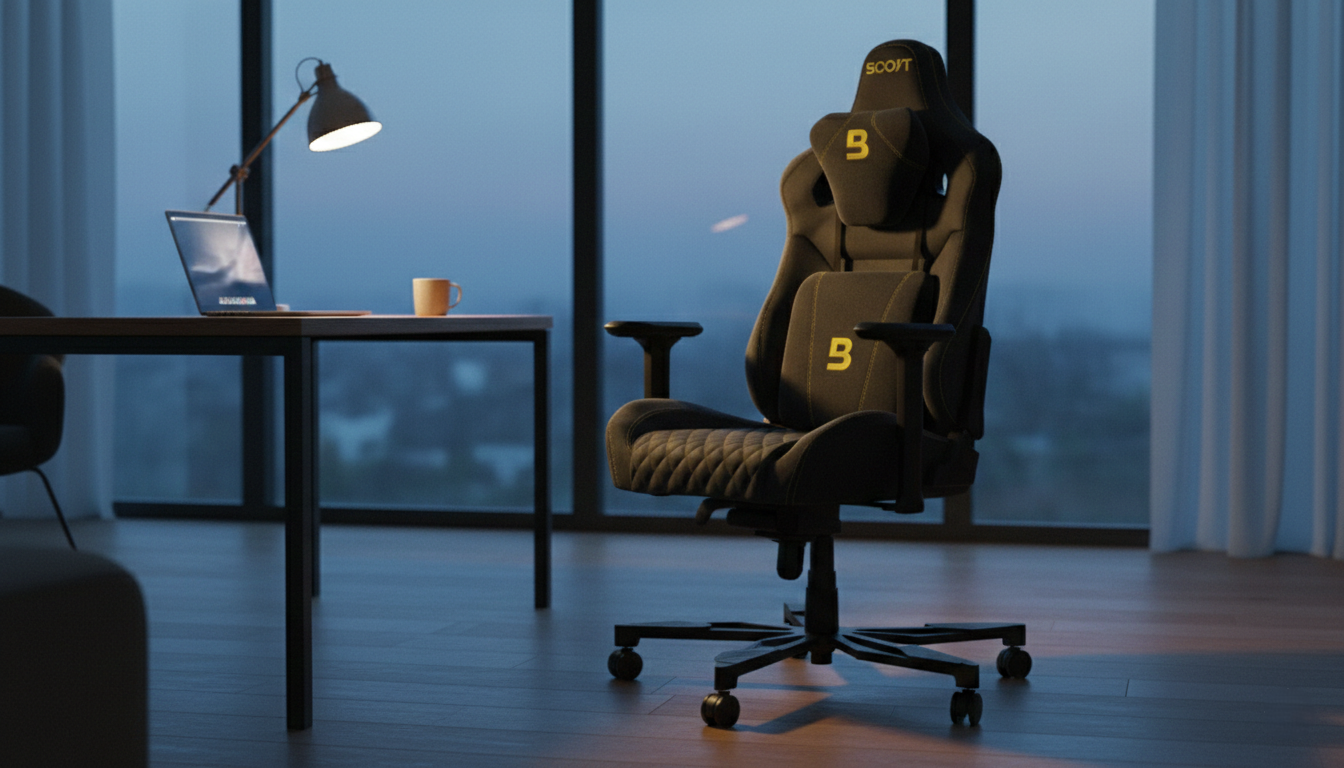
You sit down at 9 a.m. for work or study, and by 6 p.m. your lower back aches, your neck feels tight, and your legs go numb. That end-of-day stiffness is familiar to almost everyone in Pakistan who spends hours in front of a screen, whether in a Karachi home office, a Lahore co-working space, or an Islamabad bedroom desk. The chair underneath you makes a bigger difference than most people expect. A poorly designed seat forces your body into awkward positions that build tension slowly, leaving you tired and sore. A well-made chair supports your spine, lets you move naturally, and keeps blood flowing, so you stand up feeling normal instead of broken. Ergonomic chairs in Pakistan now come in many styles and price points, some focused on office work, others built for gaming marathons. The right one doesn’t just feel comfortable in the first five minutes, it keeps you comfortable after eight hours. When your chair matches your body and your sitting habits, the difference shows up in how you feel when the day ends.
The chair you sit in decides whether you end the day rested or worn out.
Why Does Sitting for Hours Cause So Much Discomfort?
Sitting for long stretches puts steady pressure on your body in ways it wasn’t built to handle. Your spine naturally curves in an S shape, but most basic chairs push it into a flat or rounded position. That small change adds strain to the lower back, especially after 2–3 hours. Neck muscles tighten when you lean forward to see the screen, pulling shoulders up and creating knots by evening. Legs pressed against a hard seat edge cut blood flow, leaving feet tingling or numb. In Pakistan’s warm climate, chairs with poor ventilation make your back and thighs sweat, adding irritation. Without proper support, your body compensates by shifting constantly, which tires muscles faster. After a full day, you stand up feeling stiff, sore, and low on energy. The chair plays the main role in whether you finish work or gaming feeling okay or feeling wrecked.
How Does Lumbar Support Change the Experience?
Lumbar support keeps your lower back in its natural curve, reducing strain during long sitting.
- Built-in lumbar curve holds your spine: Keeps the natural inward bend at the lower back, preventing the slouch that causes pain after hours.
- Adjustable lumbar pads let you fine-tune: Move the support up, down, or forward to match your exact spine shape, giving relief that feels custom.
- Thicker padding distributes pressure: Spreads weight across a larger area so no single spot gets sore during extended desk time.
- Breathable materials stop heat buildup: Mesh or ventilated foam lets air flow, reducing sweat and discomfort in Pakistan’s warm rooms.
- Constant support prevents fatigue: Your back stays supported even when you lean or shift, keeping muscles relaxed instead of fighting to hold position.
What Difference Does Adjustability Make?
Adjustability lets the chair fit your body instead of forcing your body to fit the chair.
- Height adjustment keeps feet flat: Set the seat so thighs are parallel to the floor and feet rest comfortably, reducing leg pressure.
- Tilt tension control matches your weight: Adjust how easily the chair rocks back, so you can lean without losing balance or straining.
- Armrests at elbow level: Positioned right, they support arms during typing or controller use, taking weight off shoulders.
- Seat depth adjustment fits leg length: Slide the seat so there’s a fist-width gap behind your knees, preventing thigh pinching.
- Recline range for breaks: Lean back 135–180° to rest your back and change position, easing tension during long sessions.
How Do Materials Affect Comfort Over Time?
Materials determine whether the chair feels good after 10 minutes or still feels good after 10 hours.
- Mesh backs allow constant airflow: Keep your back cooler and drier during long workdays or gaming in warm rooms.
- High-density foam holds shape: Doesn’t flatten over time, so the seat stays supportive months after purchase.
- PU leather wipes clean easily: Resists sweat and spills, staying fresh even after daily use in humid weather.
- Breathable fabric options: Let air pass through, reducing the sticky feeling that comes with solid leatherette in heat.
- Reinforced stitching and seams: Prevent tearing or sagging at stress points, keeping the chair looking and feeling solid longer.
A chair’s materials decide whether comfort lasts five minutes or five hours.
Does Chair Design Actually Reduce Pain After Long Days?
Chair design directly affects how your body feels when you stand up after hours of sitting. Good ergonomic chairs keep your spine aligned so muscles don’t have to work overtime to hold posture. Lumbar support stops the lower back from rounding, reducing pressure on discs and nerves that cause aching by evening. Adjustable height and armrests place your body in a neutral position, preventing shoulder hunching and leg compression. Recline options let you shift angles to change blood flow and ease tension in the hips and back. Breathable materials stop sweat buildup that leads to skin irritation and discomfort. When these elements work together, you finish a long desk day with normal energy instead of stiffness and soreness. In Pakistan’s hot climate and long sitting hours, the right design makes the difference between ending the day tired but okay and ending it sore and drained.
How Do Armrests and Headrests Help?
Armrests and headrests support body parts that tire fastest during desk time.
- 4D armrests move in every direction: Up/down, forward/back, left/right, and rotate to match arm position, reducing shoulder load.
- Fixed or 2D armrests still help: Keep elbows at right height for typing or controller use, taking weight off upper back.
- Adjustable headrests support neck: Align with your head when you lean back, preventing forward tilt that strains neck muscles.
- Fixed headrests work if positioned right: Provide support for upright sitting, reducing tension during long sessions.
- Padded armrests prevent elbow pain: Soft surfaces avoid pressure points when resting arms for hours.
Does Recline Make a Real Difference?
Recline lets you change position without leaving the chair, easing pressure during long hours.
- Deep recline for breaks: 160–180° lets you lean back fully, relaxing back and neck after focused work.
- Moderate recline for work: 120–135° supports slight lean while keeping you upright for typing or reading.
- Lockable positions for safety: Hold the angle you choose, preventing unwanted rocking during use.
- Tension control matches weight: Adjust how easily the chair reclines so it feels smooth for your body size.
- Recline with footrest combo: Some models add leg support, improving circulation during extended sitting.
Chair Type Quick Comparison
|
Feature |
Office Chair |
Gaming Chair |
|
Main Focus |
All-day posture support |
Long gaming comfort + style |
|
Backrest |
Mesh or mid-high |
High with side bolsters |
|
Recline |
90–135° typical |
90–180° typical |
|
Lumbar |
Built-in adjustable |
Often pillow-based |
|
Materials |
Mesh + fabric |
PU leather + foam |
|
Best For |
Work, study |
Gaming, relaxation |
How Do Gaming Chairs Handle Work Hours?
Gaming chairs can support work when they include ergonomic features, though they’re built for different priorities. High backrests and side bolsters hold your body during forward-leaning gaming, but they also provide full back support for upright typing or reading. Thick padding cushions long sitting, reducing pressure points during work. Adjustable height and armrests let you set the chair to desk height, keeping arms and legs in neutral positions. Recline range allows short breaks to change posture without standing. Breathable mesh versions exist in some models, helping in Pakistan’s warm rooms. While the bold look may stand out in formal offices, many users find gaming chairs comfortable for mixed work and play because of the extra padding and support features that carry over to desk tasks effectively.
What Should You Check Before Buying?
A few practical checks help you pick a chair that truly works for your body and routine.
- Sit in it for 20–30 minutes: Feel how padding and support hold up over time, not just the first impression.
- Adjust everything possible: Test height, arms, lumbar, and recline to see if it fits your height and sitting style.
- Check stability when leaning: Make sure the base doesn’t wobble or tip when you shift weight or recline.
- Feel the materials in real heat: Sit in a warm room to see if mesh breathes or leatherette gets sticky.
- Confirm weight capacity matches: Ensure it supports your weight plus any leaning or movement habits.
- Look at wheel type for your floor: Smooth casters for tiles, locked wheels for carpet to prevent unwanted rolling.
Comparing Typical Options in Pakistan
|
Feature |
Boost Comfort Chair |
Boost Surge Pro Chair |
|
Price |
29,999 |
94,999 |
|
Backrest |
Mesh + curve |
High with bolsters |
|
Recline |
90–135° |
90–180° |
|
Lumbar |
Adjustable built-in |
Adjustable + massage |
|
Armrests |
3D |
4D |
|
Material |
Mesh + fabric |
PU leather + foam |
|
Best For |
Daily work |
Gaming + long sessions |
FAQs About Office and Gaming Chairs
Can a gaming chair work for office tasks?
Yes, adjustable height and lumbar support make it usable for desk work, though the bold style may stand out.
Are office chairs comfortable for gaming?
They handle shorter sessions well with posture support, but lack deep recline for relaxed long play.
Which is better for back pain?
Both help if adjustable; office chairs often have better breathable lumbar for all-day relief.
Do gaming chairs last longer?
Similar durability; choose based on material care and weight match rather than type.
Where to buy reliable chairs in Pakistan?
Electronics stores and online platforms carry models with warranty and return options.
To Sum It Up
The right chair can change how you feel after a long day at the desk by keeping your spine aligned, reducing pressure points, and letting you shift positions naturally. Lumbar support prevents lower back ache, adjustable height and arms keep limbs in neutral positions, and breathable materials stop overheating during hours of sitting. Gaming chairs add deep recline and thick padding for relaxation, while office chairs focus on steady support and airflow for work. In Pakistan’s long desk hours and warm climate, a chair that matches your main sitting style leaves you energized instead of sore. Test fit, check adjustments, and choose based on your real routine. The difference shows up when you stand up feeling normal instead of stiff.
Sit in the chair that fits your body, and your day ends better than it started.