
Leathercraft has quietly found its place again in today’s skill-focused culture. More people are stepping away from mass-produced goods and taking an interest in how everyday objects are actually made. At its core, leathercraft is about working with your hands, understanding materials, and developing patience through process. It is not about speed or trends. It is about learning why a material behaves the way it does and how the technique shapes the outcome.
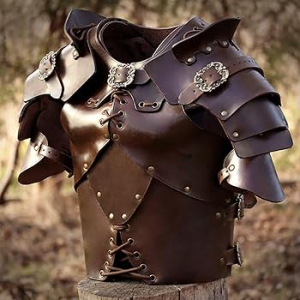
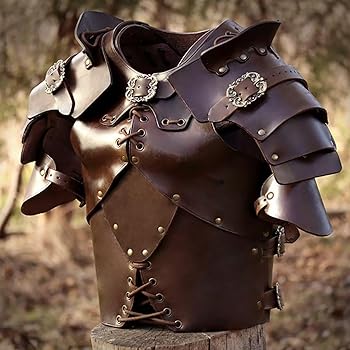
One of the most important aspects of this craft is the leather itself. Leather is often chosen by learners because it clearly responds to touch, pressure, and finishing methods. It darkens with handling, shows tool marks honestly, and teaches cause and effect very quickly. When someone cuts, edges, or burnishes this type of leather, the result reflects the care taken at each step. That feedback loop is what makes the learning process meaningful.
Leathercraft also develops problem-solving skills. Every hide has slight differences. Grain, thickness, and flexibility can change from one section to another. Makers learn to adapt patterns, adjust stitching tension, and rethink construction as they work. These small decisions build confidence and awareness over time. The craft becomes less about following instructions and more about understanding principles.
Beyond technique, there is a mental benefit to working with leather. Repetitive hand movements slow the mind. Measuring, cutting, and stitching require focus without urgency. Many learners describe the process as grounding. It creates a clear beginning, middle, and end to a task, which can be deeply satisfying in a digital-heavy routine.
Communities centered around traditional skills also play an important role. Learning environments like Prince Armory Academy emphasize structured practice rather than shortcuts. Observing how others approach the same material can reveal new perspectives and solutions. Craft knowledge has always moved through shared experience, and leatherwork is no different.
As interest in practical skills grows, leathercraft continues to stand out as both functional and expressive. It teaches respect for material, attention to detail, and patience through repetition. The value is not just in the finished piece but in the understanding gained along the way.
Final ThoughtLeathercraft is less about perfection and more about awareness. Each project adds clarity, skill, and confidence that extends beyond the workbench.