


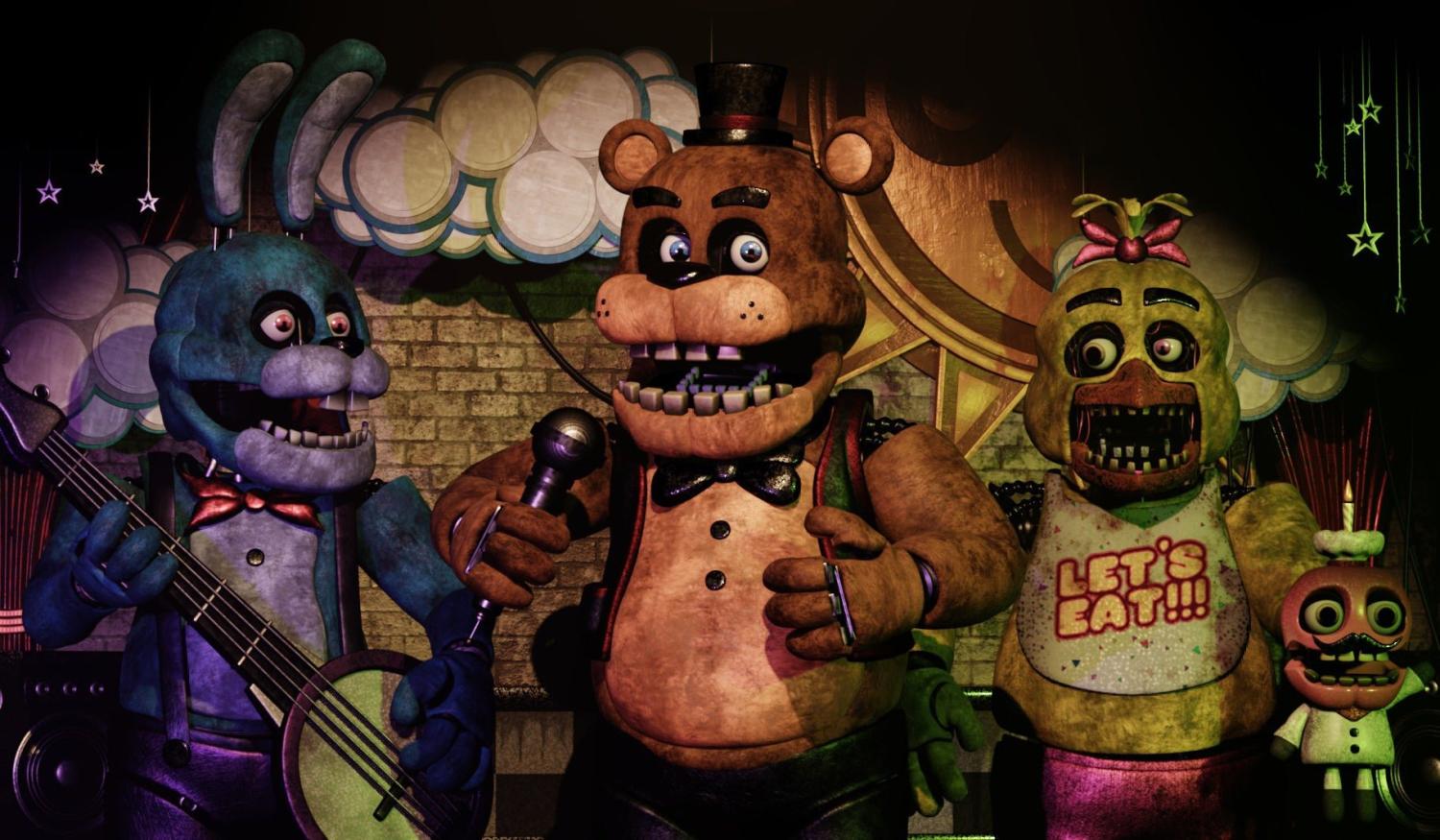
Store management games aren't always about optimizing shelves and maximizing profits. Sometimes, they're about survival. And few games exemplify this tense, minimalist store management experience better than Five Nights At Freddy's . While not strictly a "store management simulator" in the traditional sense, the core gameplay loop brilliantly reflects the pressures and strategic thinking required to run a retail establishment, especially when things go horribly, horribly wrong.
This article isn’t about selling you anything. It’s about diving into the mechanics of a unique game, understanding how it twists the concept of store management, and offering tips to make your next (or first!) security guard shift at Freddy Fazbear's Pizza a little less… fatal.
Introduction: More Than Just Jumpscares
When most people think of Five Nights At Freddy's , they think of the terrifying animatronics, the startling jumpscares, and the overall feeling of dread. And rightfully so! Scott Cawthon crafted an incredibly effective horror experience. But underneath the layers of fear lies a core of strategic resource management.
Think of the security office as your central hub. It's your domain, your control panel, and ultimately, your last line of defense. Every decision you make, every button you press, has a consequence that can mean the difference between surviving until 6 AM and becoming another victim of Freddy and his friends. This is where the “store management” aspect comes in. You're managing limited resources (power, cameras, doors) to maintain the security of your location against increasingly aggressive “customers”.
Gameplay: A Night in the Life (or Death) of a Security Guard
The basic gameplay of Five Nights At Freddy's is deceptively simple. You're a night security guard tasked with monitoring Freddy Fazbear's Pizza from midnight to 6 AM. Your tools are limited:
Security Cameras: A network of grainy black-and-white cameras allows you to observe the animatronics' movements throughout the restaurant.
Doors: Two doors on either side of your office can be closed to prevent animatronics from entering. However, closing doors drains power.
Lights: You can briefly illuminate the hallways outside your doors to check for lurking threats. This also drains power.
Power: A single, limited power supply fuels all your security measures. Running out of power means lights out, and vulnerability to the animatronics.
Each night, the animatronics – Freddy Fazbear, Bonnie the Bunny, Chica the Chicken, and Foxy the Pirate Fox – become increasingly active. They move around the restaurant, attempting to reach your office. Your job is to track their movements using the cameras, and strategically use your limited resources (doors, lights, and most importantly, power) to prevent them from reaching you.
Doors: Two doors on either side of your office can be closed to prevent animatronics from entering. However, closing doors drains power.
Lights: You can briefly illuminate the hallways outside your doors to check for lurking threats. This also drains power.
Power: A single, limited power supply fuels all your security measures. Running out of power means lights out, and vulnerability to the animatronics.
Each night, the animatronics – Freddy Fazbear, Bonnie the Bunny, Chica the Chicken, and Foxy the Pirate Fox – become increasingly active. They move around the restaurant, attempting to reach your office. Your job is to track their movements using the cameras, and strategically use your limited resources (doors, lights, and most importantly, power) to prevent them from reaching you.
Think of it like this: Freddy Fazbear's Pizza is your store, and the animatronics are… disgruntled (and murderous) patrons. The cameras are your inventory management system, showing you where things are located. The doors are your "Closed" sign, preventing entry. And the power is your budget; you need to allocate it wisely to keep the store running (and yourself alive). Every check of the camera, every flick of the light, every moment the door is closed… it all comes out of that budget.
The brilliance of the game lies in this constant tension. You need to use the cameras to track the animatronics, but checking them drains power. You need to close the doors to protect yourself, but keeping them closed drains power. You need to use the lights to check for threats, but you guessed it: power! It's a constant balancing act, a high-stakes game of risk versus reward that perfectly captures the stresses of managing limited resources in a high-pressure environment.
Tips for Surviving the Night Shift
Conserve Power: This is the most crucial aspect of the game. Don't waste power on unnecessary actions. Only check the cameras when you need to, and only close the doors when an animatronic is directly threatening you.
Prioritize Threats: Learn the animatronics' movement patterns and prioritize dealing with the most immediate threats. Foxy, for example, requires constant monitoring to prevent him from sprinting down the hallway.
Listen Carefully: The audio cues in Five Nights At Freddy's are incredibly important. Listen for footsteps, breathing, and other sounds that can indicate an animatronic's location.
Know Your Camera Blind Spots: Certain cameras have blind spots, so be aware of areas where animatronics can potentially hide undetected.
Develop a Strategy: There's no single "right" way to play Five Nights At Freddy's, but developing a consistent strategy can help you survive. Experiment with different approaches and find what works best for you. For example, learning when and how often to check Foxy is a common strategy.
Don't Panic! Easier said than done, right? But panicking will lead to rushed decisions and wasted power. Stay calm, assess the situation, and make informed choices.
Embrace the Learning Curve: Five Nights At Freddy's is a challenging game, and it's likely you'll die a few (or many) times before you start to get the hang of it. Don't get discouraged. Each death is a learning opportunity.
Conclusion: More Than Meets the Eye
Five Nights At Freddy's is more than just a series of jumpscares. It's a unique blend of horror and strategic resource management, disguised as a store management simulation. It challenges you to make tough decisions under pressure, prioritize threats, and adapt to unpredictable circumstances. While the animatronics are undoubtedly terrifying, the real horror lies in the constant struggle to manage limited resources and survive until dawn. So, if you're looking for a store management game with a twist (and a healthy dose of fear), step into the security office, keep a close eye on those animatronics, and try to survive the night. Good luck! You'll need it.