



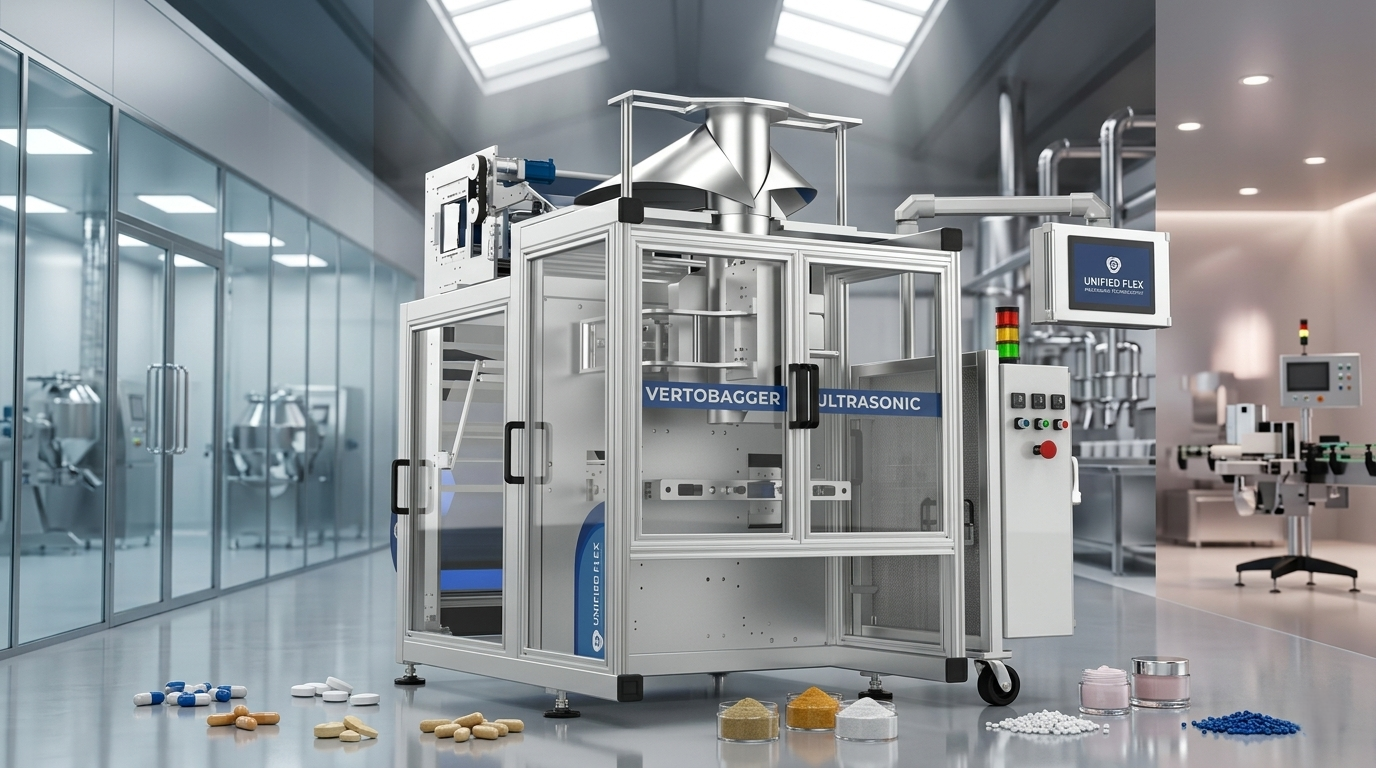
Late one evening in a busy facility, the production manager watched bags of seasoning fly down the line. Earlier that week, manual scooping caused inconsistent weights, dusty messes, and tired workers. Now the line ran quietly with measured portions dropping into formed pouches, sealed, and counted without pause. One small adjustment on the touchscreen kept everything on target through the night shift. That shift from manual methods to automated powder handling marked a turning point. Across many sectors, automatic powder filling machines now form the backbone of efficient operations by delivering exact amounts cycle after cycle while integrating smoothly with bagging systems. They turn potential bottlenecks into reliable output that scales with demand and keeps quality steady from the first bag to the last pallet.
Automatic powder filling machines bring order and speed to processes once limited by manual variation.
Why Powder Handling Demands Specialized Filling Equipment
Powder handling demands specialized filling equipment because fine particles behave differently from liquids or solid pieces. They can clump, create dust, or flow unevenly depending on humidity, density, or particle size. Small weight variations add up quickly in large batches and lead to giveaway, underfills, or regulatory issues. Manual methods struggle to maintain consistency over long shifts and often generate significant dust that affects cleanliness and worker comfort. Automatic systems use controlled mechanisms such as augers, vibratory feeders, or combination weighers to manage flow precisely. They adjust in real time and keep dust contained, which supports higher speeds without sacrificing accuracy. This capability becomes especially important when packaging products that must meet strict label claims or when running multiple recipes in the same facility.
Core Industries That Depend on Powder Filling Solutions
Several industries rely heavily on powder filling solutions to maintain efficiency and quality standards:
- Food and Snack Manufacturers use them for spices, seasoning blends, drink mixes, and powdered soup bases. Precise portioning ensures consistent flavor in every package while high speeds support large retail orders. The equipment also minimizes dust that could otherwise affect nearby lines or product appearance.
- Coffee and Beverage Producers fill ground coffee, instant mixes, and creamer powders into sticks, sachets, or larger pouches. Controlled filling preserves aroma and prevents oxidation when combined with gas flushing options.
- Nutraceutical and Supplement Companies dose protein powders, vitamins, minerals, and herbal blends with tight tolerances. Accuracy here directly affects label compliance and consumer trust in dosage strength.
- Pet Food and Treat Makers handle kibble coatings, supplements, and powdered additives. Robust systems manage varying densities and larger volumes common in this growing market.
- Bakery and Cereal Producers fill flour blends, sugar powders, and toppings efficiently. Integration with form fill seal machines creates retail-ready packaging quickly.
- Contract Packagers switch between multiple powder products daily. Quick changeovers and recipe memory allow them to serve different clients without long downtime.
- Chemical and Industrial Powder Operations manage non-food powders where consistent fills reduce material waste and support safe handling.
These sectors gain measurable improvements in output and cost control when they adopt suitable filling technology.
How Modern Powder Filling Technology Operates
Modern powder filling technology operates through coordinated systems that manage product flow from hopper to finished package.
Auger Filling Systems for Fine Powders
Auger fillers rotate a screw inside a tube to dispense powders at controlled rates. Servo motors adjust speed and rotations based on feedback, delivering accurate weights even with free-flowing or sticky materials. Density compensation features help maintain consistency when powder characteristics change slightly between batches.
Combination Weighers and Volumetric Options
Multi-head weighers divide powder into small portions and combine them to reach exact targets rapidly. Volumetric cup fillers work well for free-flowing granules. Both methods integrate directly above forming tubes in vertical bagging setups for minimal product drop and dust generation.
Integration with Form Fill Seal Machines
Filling heads mount onto vertical form fill seal machines or multilane sachet and stick pack systems. Synchronization between dosing, film pull, and sealing ensures each cycle completes smoothly at speeds ranging from 40 to over 800 units per minute depending on configuration.
This technology allows producers to match equipment capabilities to their specific powder types and package formats.
Advantages These Machines Bring to Daily Operations
Advantages these machines bring to daily operations include several practical gains:
- Repeatable Accuracy reduces product giveaway and ensures every package meets declared weight or count. Load cells and feedback loops correct small drifts automatically during long runs.
- Higher Throughput lets lines achieve steady output without constant operator intervention. Multilane setups in particular support large batch sizes common in food and supplement production.
- Reduced Dust and Waste comes from enclosed product paths and gentle handling. Less spillage means cleaner facilities and lower material losses over time.
- Faster Changeovers with tool-less parts and stored recipes allow teams to switch products or formats in minutes rather than hours.
- Improved Worker Conditions by minimizing manual scooping and heavy lifting. Operators focus on oversight and quality checks instead of repetitive tasks.
- Better Traceability through integration with coding systems and data logging that records fill parameters for each batch.
- Scalability lets businesses start with single-head setups and expand to multi-lane or higher-speed configurations as demand grows.
These benefits compound over time and support stronger margins in competitive markets.
Precision Requirements in Nutraceutical and Supplement Production
Precision requirements in nutraceutical and supplement production make automatic powder filling machines particularly valuable. Many formulations involve expensive active ingredients where even small variations affect efficacy and regulatory compliance. Tight weight tolerances, often within fractions of a gram, ensure each sachet or pouch delivers the labeled amount. Machines equipped with servo augers and feedback systems maintain this accuracy across long runs while minimizing dust that could cross-contaminate other products. Integration with sachet and stick pack lines allows single-serve formats popular in vitamins and protein supplements. Data logging creates records needed for audits, and gentle handling protects sensitive ingredients from degradation. The result is consistent product quality that builds consumer confidence and reduces the risk of costly batch rejections.
How These Systems Handle Different Powder Characteristics
These systems handle different powder characteristics through adaptable features:
- Flow Adjustments for Cohesive or Free-Flowing Powders using variable speed augers and vibration to prevent bridging or flooding in the hopper.
- Dust Containment Measures such as enclosed tubes and vacuum assist that keep fine particles from escaping into the production area.
- Density Compensation Controls that automatically adjust fill parameters when humidity or batch variations change material behavior.
- Gentle Delivery Methods to avoid compacting or damaging delicate powders like freeze-dried ingredients or protein isolates.
- Multi-Recipe Flexibility stored in the control system for quick switches between different spice blends or supplement formulas without extensive recalibration.
- Temperature and Humidity Monitoring options that help maintain stable conditions around sensitive powders during filling.
This adaptability lets one machine serve multiple products effectively across shifts.
Common Challenges in Powder Packaging and Practical Solutions
Common challenges in powder packaging require targeted engineering solutions.
Managing Dust and Cross-Contamination
Dust generation can create cleaning headaches and contamination risks. Enclosed filling paths, dust collection ports, and smooth stainless contact surfaces reduce buildup and make routine cleaning faster.
Maintaining Accuracy Across Batch Variations
Powder density can shift between suppliers or lots. Real-time weight feedback and automatic adjustments keep fills consistent without constant manual tuning.
Handling a Wide Range of Package Sizes
Producers often run both small sachets and larger stand-up pouches. Modular tooling and quick-change forming parts allow the same base machine to handle multiple formats efficiently.
These solutions help operations run smoothly even when dealing with tricky powder properties or diverse packaging needs.
Full Line Integration Improves Overall Plant Performance
Full line integration improves overall plant performance by connecting powder filling directly with upstream and downstream equipment. Hoppers and conveyors feed material steadily while checkweighers, metal detectors, and printers verify quality inline. Vertical form fill seal machines or multilane sachet systems work in sync so product flows without accumulation or gaps. Centralized controls let supervisors monitor the entire process from one interface and make adjustments quickly when conditions change. This coordination reduces manual transfers between steps, lowers contamination opportunities, and creates detailed production data useful for continuous improvement. When an automatic packaging machine forms the center of such a line, efficiency gains appear across labor, waste, and output metrics.
Well-integrated powder filling creates smooth flow from raw material to finished package.
Important Factors to Consider When Selecting Equipment
Important factors to consider when selecting equipment include several operational realities:
- Product Characteristics such as flowability, particle size, and sensitivity help determine whether auger, volumetric, or combination weigher systems will perform best.
- Target Output Speeds guide choices between single-head intermittent machines and higher-capacity multilane setups.
- Package Formats needed, whether pillow bags, stand-up pouches, sticks, or sachets, influence the type of bagging machine paired with the filler.
- Changeover Frequency favors designs with tool-less parts and recipe memory for facilities running multiple products daily.
- Cleaning Requirements point toward wash-down capable models with smooth surfaces in regulated environments.
- Budget and Scalability balance initial investment against future growth potential through modular additions.
- Maintenance Access and availability of non-proprietary parts affect long-term operating costs and uptime.
Evaluating these points helps match equipment to actual production needs.
Ways Technology Continues to Evolve in This Space
Ways technology continues to evolve in this space focus on smarter controls and greater flexibility:
- Advanced PLC and Touchscreen Interfaces that simplify operation and provide clear diagnostics for faster troubleshooting.
- Data Connectivity for real-time monitoring and predictive maintenance alerts that reduce unexpected downtime.
- Servo and Motion Control Improvements that support higher speeds while maintaining gentle handling for delicate powders.
- Eco-Friendly Film Compatibility with better tension control for thinner or sustainable materials.
- Enhanced Dust Management Systems using improved containment and filtration for cleaner production areas.
- Quick Validation Features that streamline compliance processes in regulated industries.
These developments help manufacturers stay competitive as market demands shift toward higher variety and faster response times.
Comparison Table of Powder Filling Solutions
| Feature | Auger Filler with VFFS | Multilane Stick/Sachet | Combination Weigher Setup | Economy Single Head |
| Typical Speed | 40-150 bags/min | 300-1000 units/min | 80-150+ bags/min | 40-80 bags/min |
| Best For | Spices, drink mixes, coffee | Single-serve powders | Snacks, cereals, blends | Smaller runs, startups |
| Accuracy Level | High with servo feedback | Precise per lane | Excellent for varying densities | Good for standard powders |
| Changeover Time | Tool-less, quick | Lane adjustments | Fast recipe recall | Simple format swaps |
| Dust Control | Enclosed tube design | Strong containment | Enclosed weighing | Basic enclosure |
| Ideal Industries | Food, bakery, contract | Nutraceuticals, beverages | Snacks, pet food | Emerging or niche lines |
FAQs About Powder Filling Machines
What types of powders work well with automatic filling systems?
Fine spices, protein powders, instant coffee, drink mixes, and granular supplements all package effectively when the right dosing technology is selected.
How accurate are these machines compared to manual methods?
Automatic systems typically hold weights within fractions of a gram consistently, far surpassing manual variation and reducing product giveaway.
Can one machine handle multiple powder products?
Yes, recipe memory, quick-change parts, and adjustable controls allow fast switches between different formulas and package sizes.
Do powder filling machines support eco-friendly packaging?
Many models run thinner films and sustainable materials successfully with proper tension and sealing adjustments.
What maintenance helps keep filling accuracy stable?
Regular checks on augers, seals, and sensors plus thorough cleaning between product changes maintain long-term performance.
To Bring It All Together
Powder filling machines play a central role in industries that handle spices, supplements, coffee, pet foods, and contract manufacturing by delivering precise, repeatable portions at speeds that match production demands. From auger systems paired with vertical form fill seal machines to multilane setups for single-serve formats, these solutions reduce waste, control dust, and maintain product quality throughout long runs. Integration with bagging, inspection, and coding equipment creates efficient complete lines while quick changeovers support variety. As operations grow, modular designs and advancing controls help scale output without losing consistency. The packaging machine combination gives manufacturers the reliability needed to meet volume targets, satisfy regulations, and deliver consistent products that customers trust. In the end, the right powder handling equipment turns a challenging material into a competitive advantage.
Steady powder filling turns raw ingredients into reliable packages that reach shelves ready for use.